A gigawatt site is judged on more than its connection to power. Water for cooling, fibre for connectivity, and the buildability of the ground itself all decide whether a parcel can carry AI infrastructure at scale. Get any one of them wrong and the headline capacity never materialises. Our diligence tests all three before a site is taken under option.
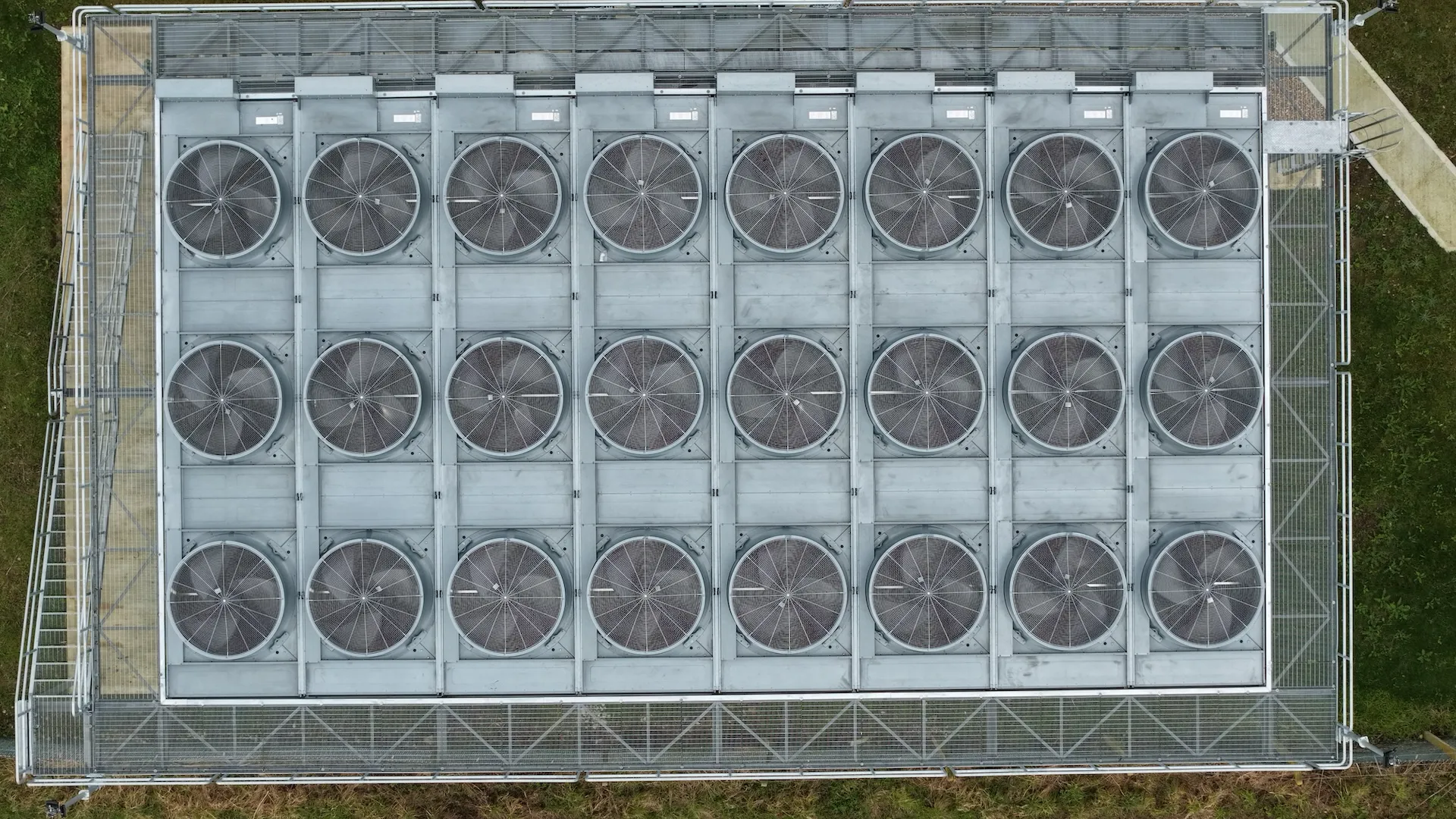
Water comes first after power. A gigawatt campus places real demand on cooling, and a site has to have a credible, sustainable supply or a clear route to one. We assess abstraction, resilience, and the path to lower-water cooling designs, because a parcel that cannot be cooled cannot be built, however good its connection.
Fibre is the quieter requirement, and just as decisive. AI workloads need diverse, high-capacity routes, and proximity to existing trunk fibre can be the difference between a viable campus and an isolated one. We map the routes and the redundancy before committing, so connectivity is a known quantity rather than a late surprise.
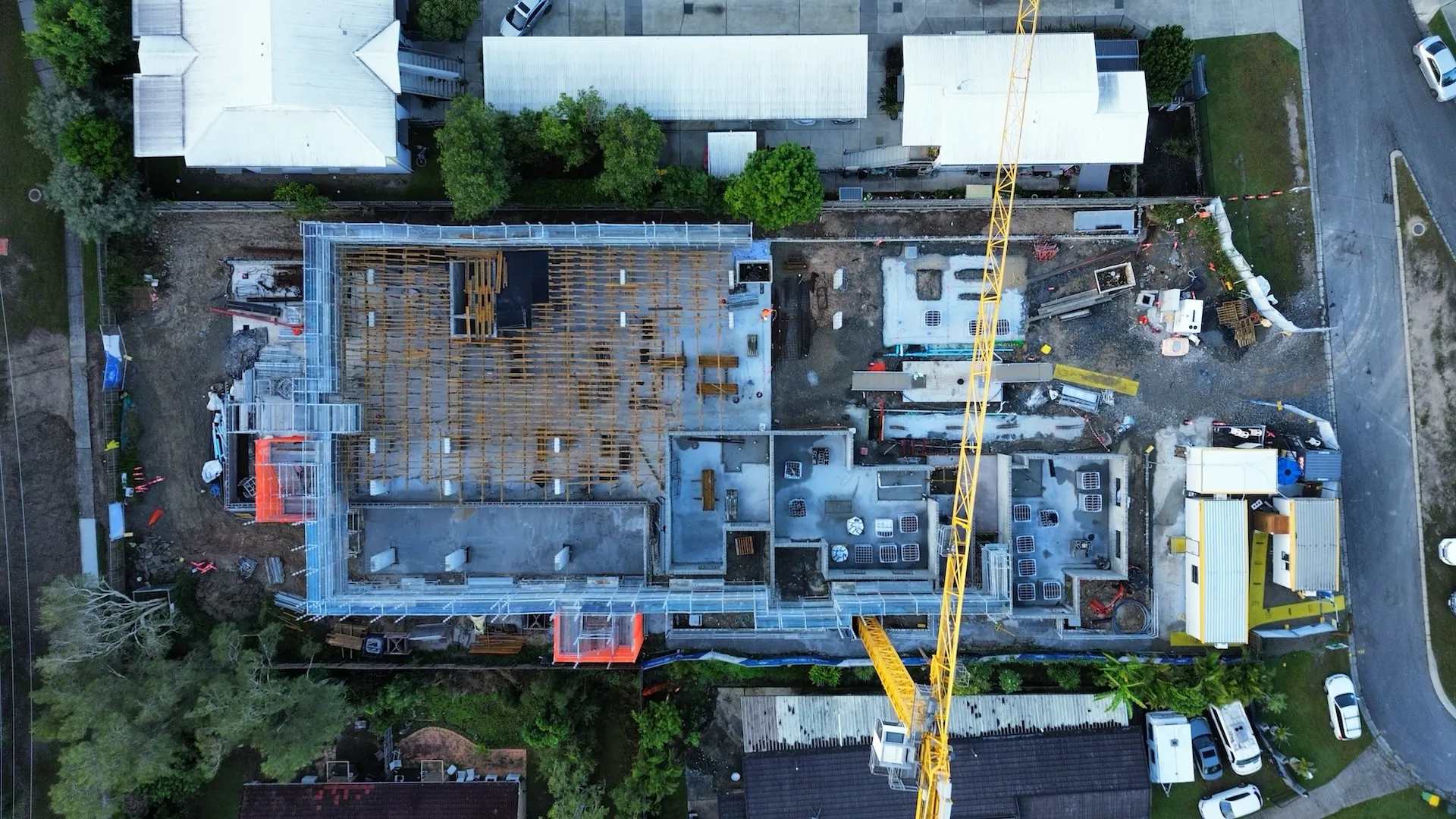
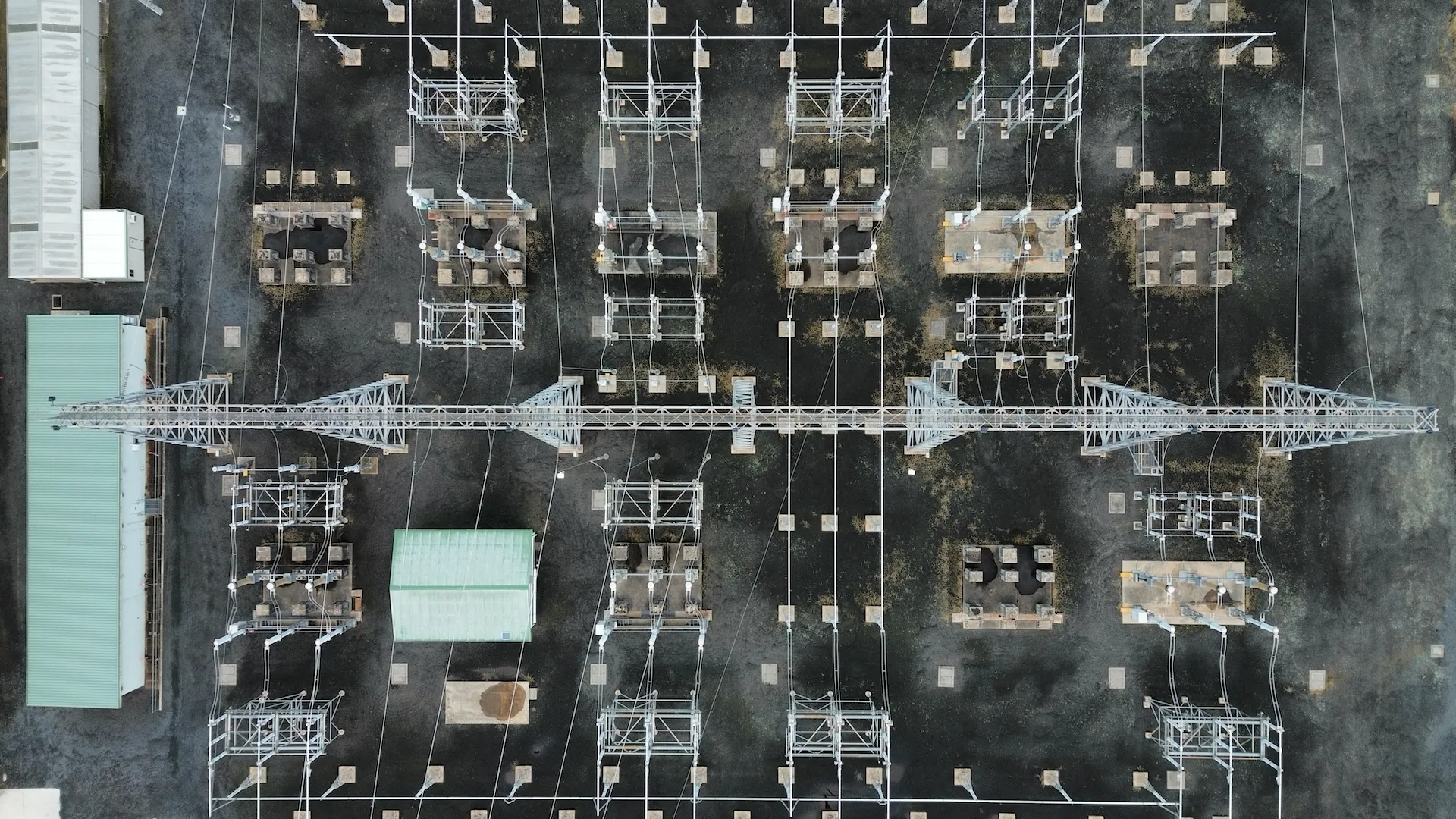
Buildability ties it together. Ground conditions, flood risk, access, and the constraints of the surrounding network all shape what can actually be built, and how fast. The discipline of resolving these questions early, while there is still time to act on the answers, is what turns a promising parcel into a developable gigawatt site.